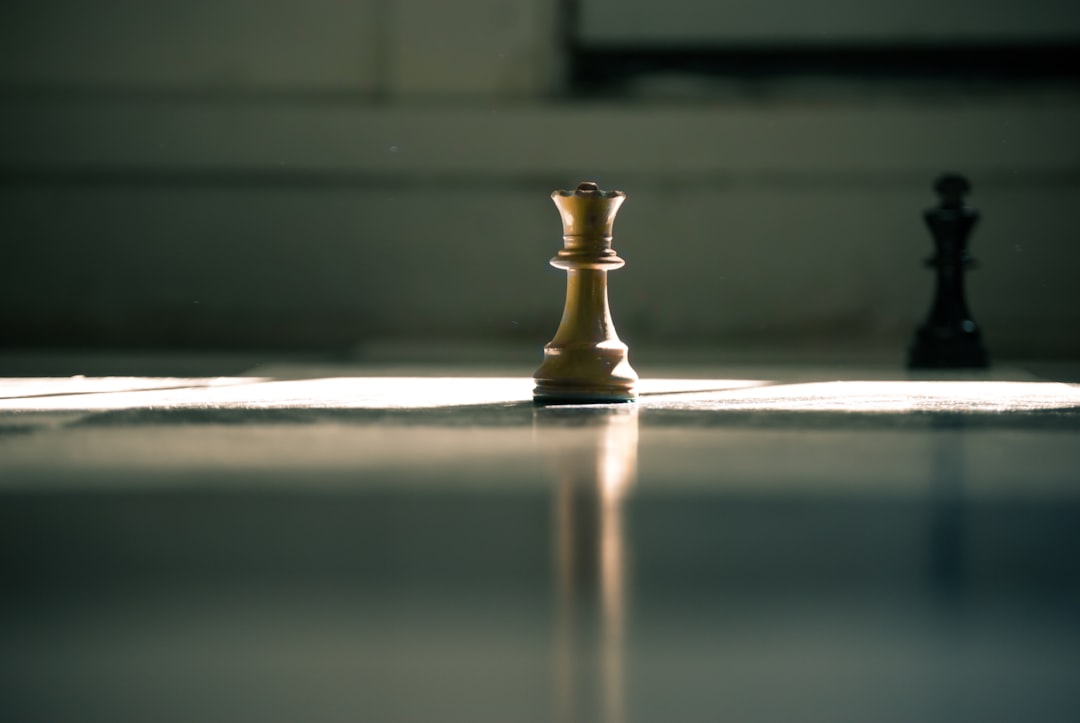
Stalemate in chess is the situation where the player whose turn it is to move has no legal move available, yet their king is not in check. Unlike checkmate, stalemate does not result in a loss for the stalemated player — the game ends immediately as a draw.
This situation occurs most often in endgames, when the weaker side has only their king left and manages to reach a position where no legal move exists. For instance, a king trapped in a corner, surrounded by squares controlled by the opponent but not actually in check, triggers an immediate stalemate. It is one of the most critical rules to understand, as it can turn a certain defeat into a hard-earned half-point.
In practice, the dominant player must always ensure they leave the opponent’s king at least one escape square as they approach the win, to avoid accidentally gifting a stalemate. Conversely, the player in a losing position should actively look for stalemate opportunities as a last resort to salvage the game.