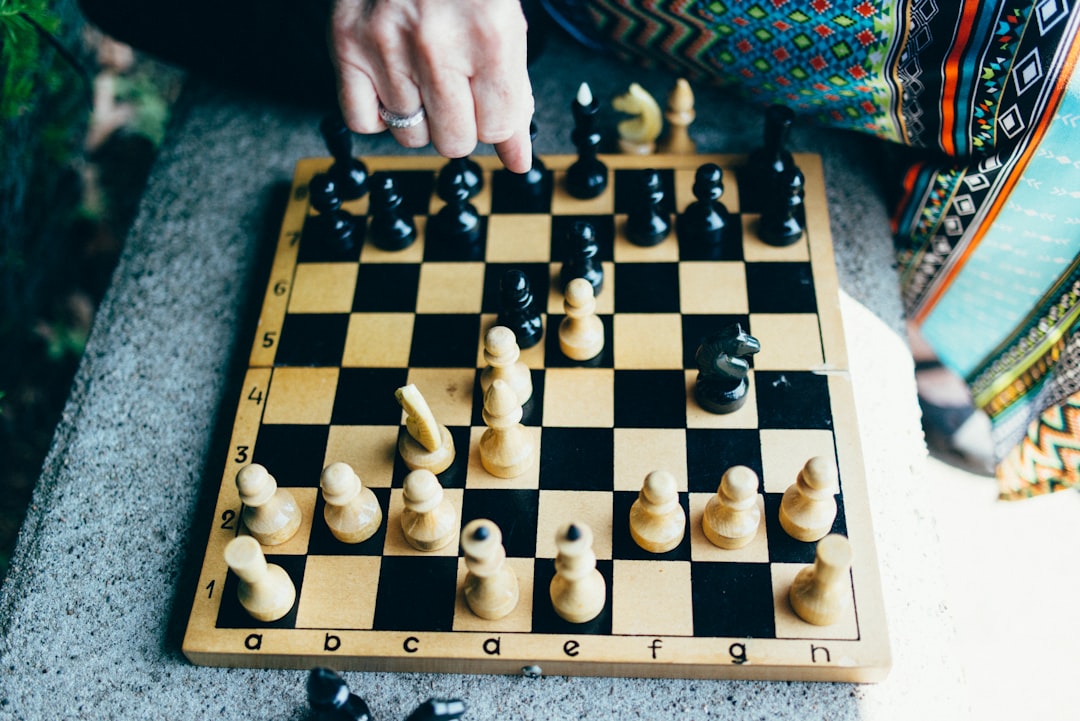
A maneuver in chess is a sequence of coordinated moves — typically quiet ones — aimed at improving the position of one or more pieces without creating an immediate direct threat.
Unlike a tactical combination, which relies on forced moves and precise calculation, a maneuver belongs to the realm of strategy: it might involve rerouting a knight to a better square, redirecting a rook to an open file, or swinging a bishop onto a more active diagonal. A maneuver can take two, three, or even more moves to complete, and its value is measured by the lasting improvement it achieves.
In practice, recognizing that a piece is poorly placed is already half the job. If your knight is stranded on a3 and d4 is the ideal outpost, one legal rerouting path is Na3–Nb1–Nd2–Nf3–Ne5–Nd4 — lengthy, but fully justified if the target square is a strong outpost. At the 800–1400 ELO level, focus first on short maneuvers: two or three moves to bring a piece to its best available square. Ask yourself: "Which of my pieces is least active? Where should it be? How can I get it there while losing as little time as possible?"