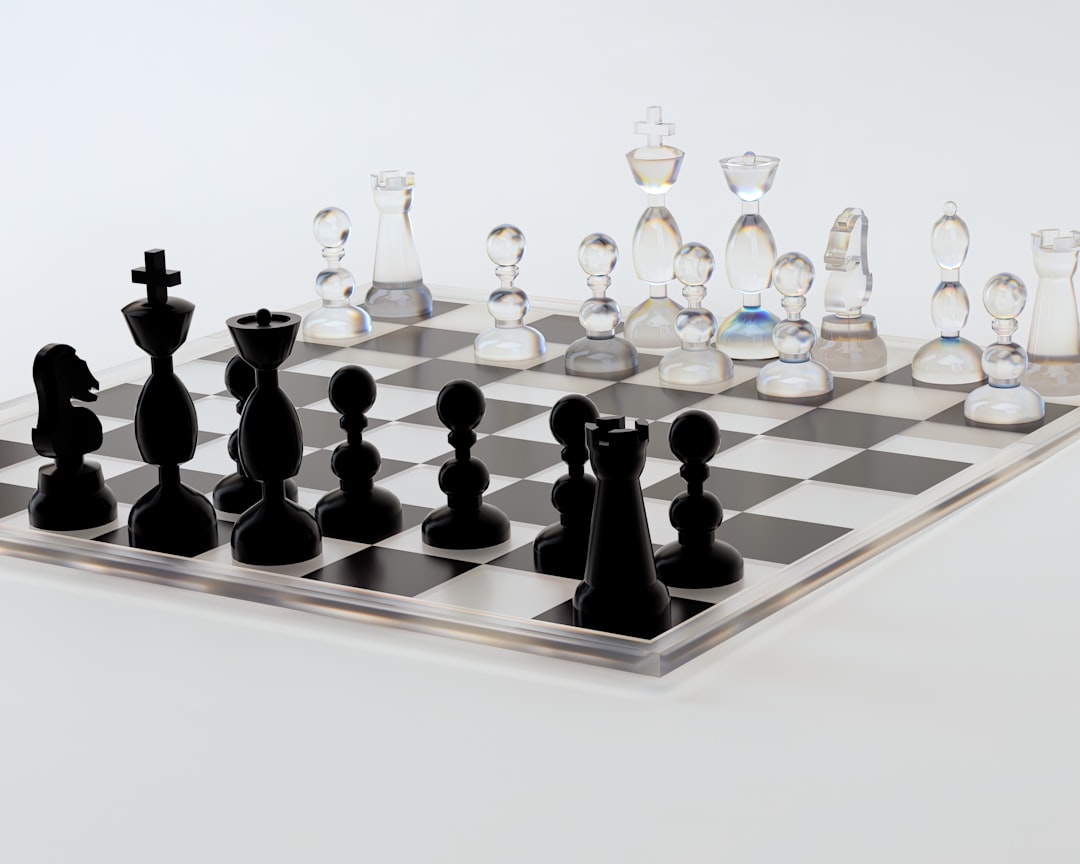
Positional play is a strategic approach to chess that focuses on gradually improving piece placement, creating long-term weaknesses in the opponent’s position, and accumulating small advantages rather than seeking an immediate tactical conclusion.
Unlike tactical play — which relies on combinations and short-term precise moves — positional play unfolds over many moves. A positional player aims to place pieces on optimal squares, control open files with rooks, establish a knight on an outpost (an advanced square that the opponent cannot attack with pawns), or restrict the activity of the opponent’s pieces. These individually modest advantages accumulate over time and ultimately lead to a winning position.
In practice, start by identifying your least active piece and find a way to improve it. Ask yourself: "Is this piece active? Does it influence the centre and key squares?" If the answer is no, spend your move repositioning it. This simple habit, applied consistently, forms the foundation of positional play and will noticeably improve the standard of your games.