ChessPivot
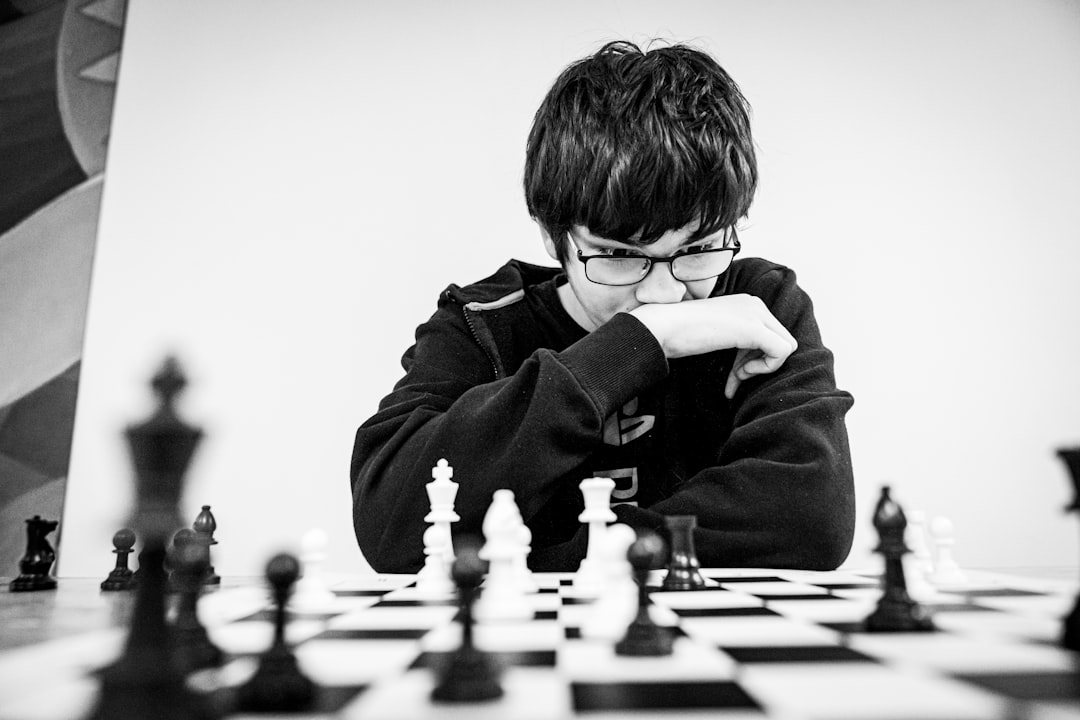
A young boy sitting at a chess board

Plan

Strategy

Photo : Michal Vrba
Strategy

A plan in chess is a coherent sequence of connected ideas that a player decides to pursue in order to improve their position or gain an advantage over their opponent.

Unlike a single move, a plan gives direction to an entire series of actions. It might involve doubling rooks on an open file, launching a pawn advance on the kingside, rerouting a knight to an ideal outpost, or targeting a permanent weakness in the opponent’s pawn structure. What matters is that every move played serves a consistent overall objective.

In practice, whenever you are unsure what to play, ask yourself: "What is my opponent’s weakness, and how can I exploit it?" The answer to that question is the heart of your plan. A modest but achievable plan is always worth more than a brilliant isolated move that fits no broader logic.

How to exploit it — and defend against it

To build a good plan, start by evaluating the position: identify the opponent’s weaknesses (weak squares, isolated pawns, poorly defended king), then map out a sequence of moves to target them. Coordinate your pieces toward the chosen area of action rather than moving them aimlessly. If the opponent’s reply disrupts your plan, revise it immediately rather than pressing on blindly. Finally, check at every move that your plan remains achievable and does not create new weaknesses in your own position.

8
7
6
5
4
3
2
a1
b
c
d
e
f
g
h
White has a clear plan: manoeuvre the d4 knight to f5 or increase pressure on d5, while coordinating the two bishops to control the key diagonals.

Learn more

Related terms

Frequently asked questions

What is the difference between a plan and a combination in chess?
A combination is a precise, often forced tactical sequence aimed at winning material or delivering checkmate. A plan is a more flexible strategic idea that guides several moves without being forced.
How do I find a plan when I don’t know what to play?
Identify the most obvious weakness in your opponent’s position — an isolated pawn, a weak square, a misplaced piece — and ask yourself which of your pieces can target it. That answer becomes your plan.
Can a plan change during a game?
Yes, absolutely. A plan must be reassessed whenever the position changes significantly. Clinging to an outdated plan is one of the most common mistakes at beginner and intermediate levels.

From the blog

Analyze your games for free

Spot your recurring mistakes and turn them into progress with ChessPivot.

Analyze my games