ChessPivot
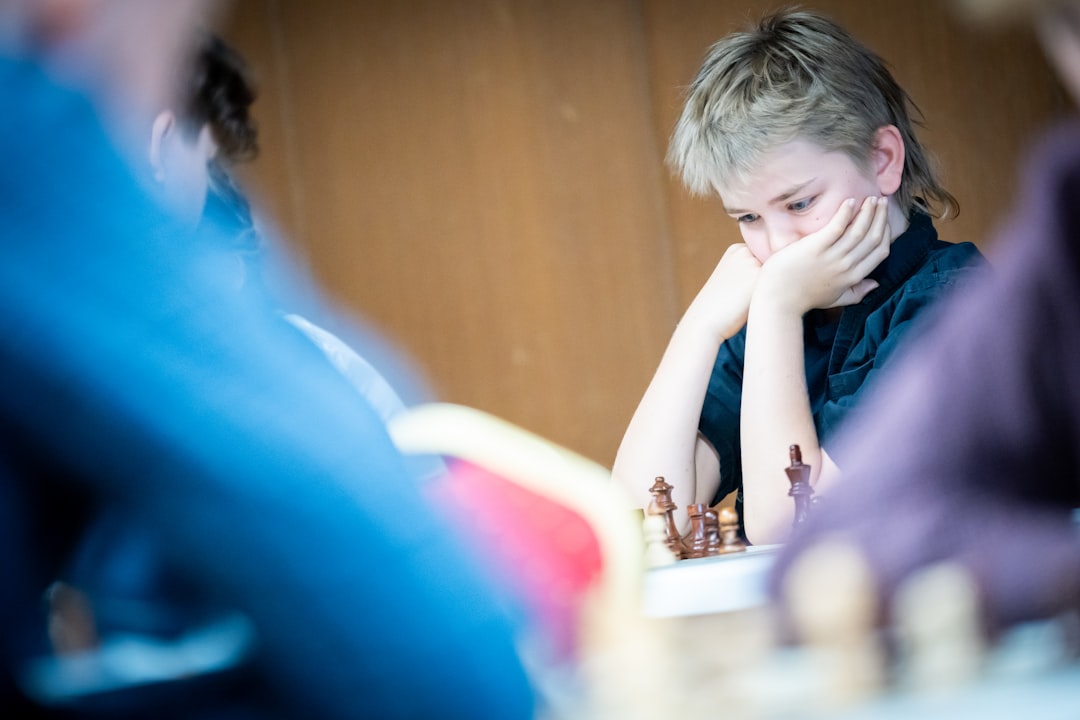
Young person concentrating while playing chess

King

Material

Photo : Michal Vrba
Material

The king is the most important piece in chess: the game is lost the moment your king is checkmated — attacked with no way to escape. It moves one square at a time in any direction (horizontally, vertically, or diagonally), making it slow but omnidirectional.

Its safety comes before everything else. In the opening, the king is dangerously exposed in the center and should seek shelter quickly through castling (kingside or queenside), tucking it behind its pawns and away from the active pieces fighting for the center.

In practice, the golden rule is straightforward: never neglect your king’s safety. A poorly sheltered king becomes a permanent target, forcing costly defensive moves every turn. In the endgame, however, the king transforms into an active piece. With fewer pieces on the board, it must advance to support its pawns or challenge the opposing king — a skill that is essential in king-and-pawn endings.

How to exploit it — and defend against it

To threaten the opponent’s king, open files and diagonals toward their shelter by advancing pawns or sacrificing material. Look for weaknesses around the enemy king — advanced or displaced pawns — before launching your attack.

To protect your own, castle early, avoid pushing the pawns in front of your king without good reason, and keep at least one piece nearby to defend. In the endgame, actively centralize your king as soon as the queens have been exchanged.

8
7
6
5
4
3
2
a1
b
c
d
e
f
g
h
Both kings have castled kingside (g1 and g8) and are safely sheltered behind their pawns. In the endgame, they will need to activate toward the center.

Related terms

Frequently asked questions

What is the value of the king in chess?
The king has no fixed point value because it can never be traded — losing the king means losing the game. Some authors assign it a symbolic value of around 4 points in the endgame, when it acts as an active piece.
Can the king capture enemy pieces?
Yes, the king can capture any unprotected adjacent enemy piece. However, it can never move to a square controlled by an opponent’s piece.
Can you put your own king in check?
No, any move that leaves your own king in check is illegal. You must always play a move that keeps your king safe, even if your options are limited.

Analyze your games for free

Spot your recurring mistakes and turn them into progress with ChessPivot.

Analyze my games