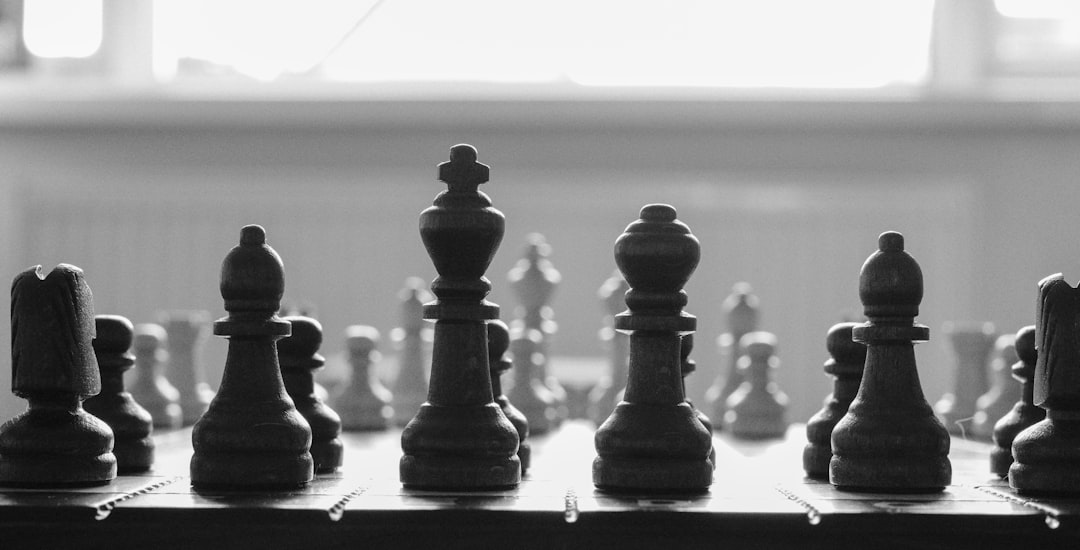
King centralization is the endgame principle of bringing the king toward the center of the board so that it becomes an active piece.
In the endgame, most heavy pieces (rooks and queens) have been exchanged, meaning the king is far less exposed to direct attacks. Rather than remaining a passive piece sheltering behind pawns, the king can now support its own pawns, attack the opponent’s, and control key squares. A centralized king — ideally placed around e4, e5, d4, or d5 — influences all four sectors of the board and reaches any area quickly.
In practice, as soon as major piece exchanges appear likely, start marching your king toward the center. Every tempo wasted leaving it idle behind its pawns can be decisive in a close endgame. Think of your king as an extra knight in the endgame: get it into the action as fast as possible.
Frequently asked questions
- Why is the king strong in the endgame but weak in the middlegame?
- In the middlegame, the opponent’s many active pieces make the king vulnerable to attacks and tactics. In the endgame, those pieces have been exchanged, so the king is no longer exposed and can play an active, offensive role.
- Which squares should I centralize my king to in the endgame?
- The ideal central squares are e4, e5, d4, and d5, as they offer the widest reach. From there, move the king wherever needed — toward pawns to attack or defend.
- Should I centralize the king before or after the last pieces are exchanged?
- Ideally, start centralizing before the final exchanges so you don’t lose valuable tempos. A king already active in the center when the endgame begins often represents a decisive advantage.
Analyze your games for free
Spot your recurring mistakes and turn them into progress with ChessPivot.
Analyze my games