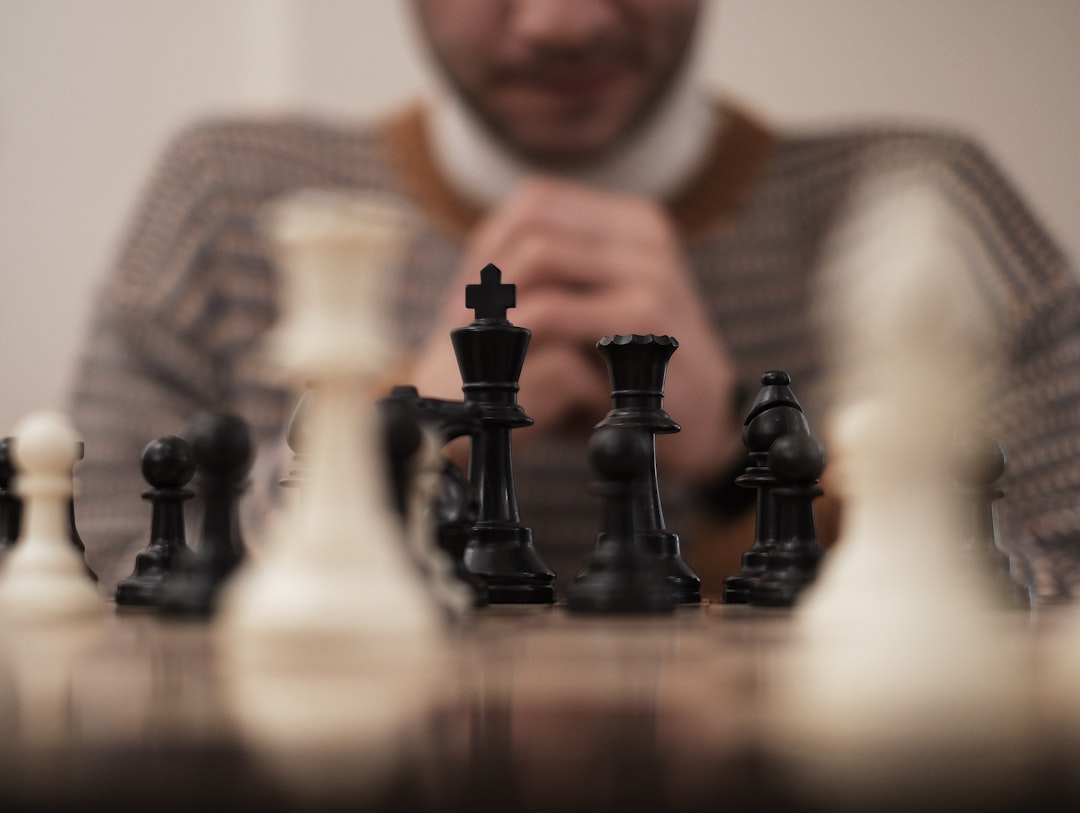
An active piece in chess is a piece placed on a square where it controls as many squares as possible, participates in threats, and contributes fully to the game — whether attacking or defending.
The opposite of an active piece is a passive one: a piece blocked by its own pawns, confined to a poor square, or simply unable to influence the flow of the game. A knight centralized on e5, well-anchored and difficult to dislodge, is a classic example of an active piece: it controls numerous squares across the board, supports attacks, and forces the opponent to react. A rook on the seventh rank, cutting off the enemy king and targeting pawns, is another textbook example.
In practice, assessing the activity of your pieces is a fundamental habit. Before each move, ask yourself: which of my pieces is the least active? More often than not, improving that piece — moving it to a better square, or opening a file or diagonal for it — is the strongest plan available. This principle applies at every stage of the game: in the opening to develop quickly, in the middlegame to maximize coordination, and in the endgame where even the king’s activity becomes decisive.