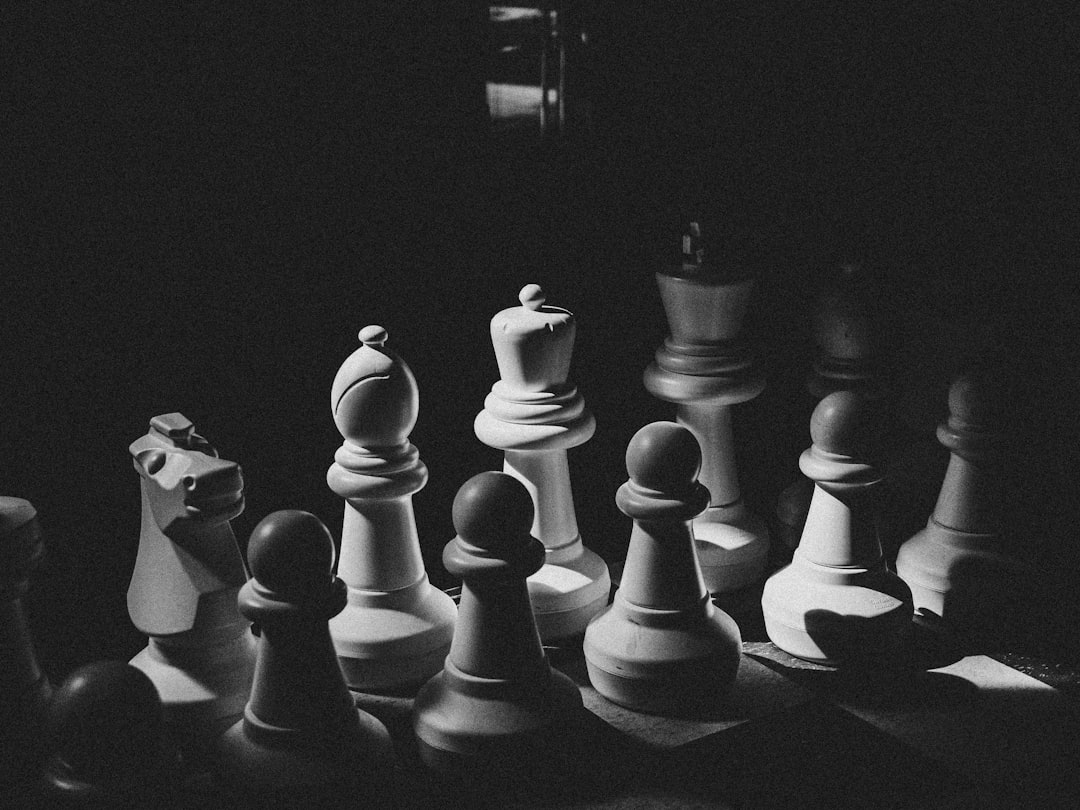
A move in chess is the action of transferring a piece from one square to another according to the rules of the game, making it the fundamental unit of every chess game.
Each move changes the state of the board and passes the turn (the right to play) to the opponent. A move can be a simple relocation (moving a knight from e4 to d6), a capture (taking the opponent’s piece on the destination square), castling (a simultaneous king and rook movement), an en passant capture, or a promotion (a pawn reaching the last rank and transforming into another piece).
The quality of a move is measured by its effect on the position: a good move improves piece coordination, creates a threat, or answers the opponent’s threat. A bad move, called a blunder or mistake, weakens the position or concedes an advantage. Between the two, a move may be described as inaccurate or suboptimal.
In practice, before playing, always identify the opponent’s threats and mentally draw up a list of candidate moves — the two or three most promising options — before committing to one. This simple habit significantly reduces blunders and is the foundation of any reliable calculation method.