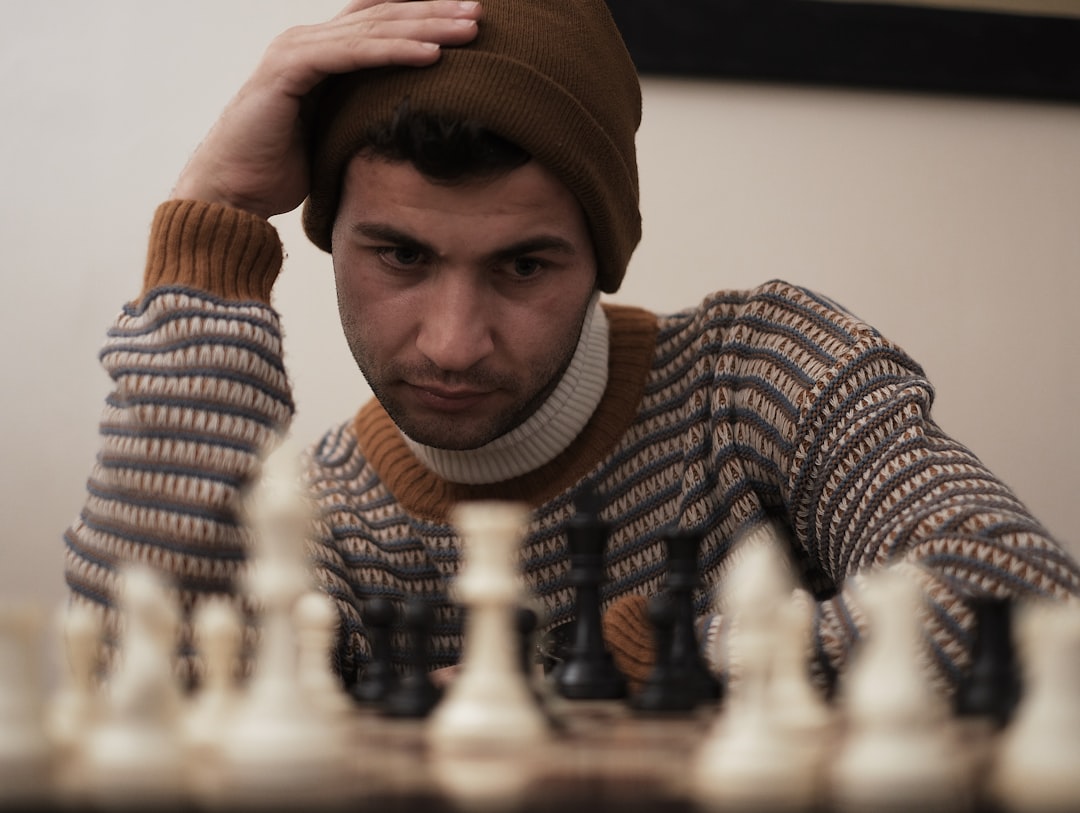
Piece coordination refers to the ability of a player’s pieces to work together harmoniously, supporting one another and combining their strengths toward a common objective.
An isolated piece, however powerful, can be neutralised with relative ease. But well-coordinated pieces generate multiple threats that the opponent cannot address all at once. For instance, a knight firmly posted on an advanced square, supported by a bishop along a diagonal, a rook on an open file and an active queen form a formidable network: each piece multiplies the effectiveness of the others. Conversely, pieces that block one another or redundantly guard the same squares signal a lack of coordination.
In practice, before playing a move, ask yourself: "Are my pieces working together?" Aim to place each piece on its best square while considering what the others are doing. A rook should target the same areas as your queen or bishop, and a knight should be protected by a pawn to remain stable. Good coordination is not achieved by a single brilliant move, but by a series of small, planned improvements.