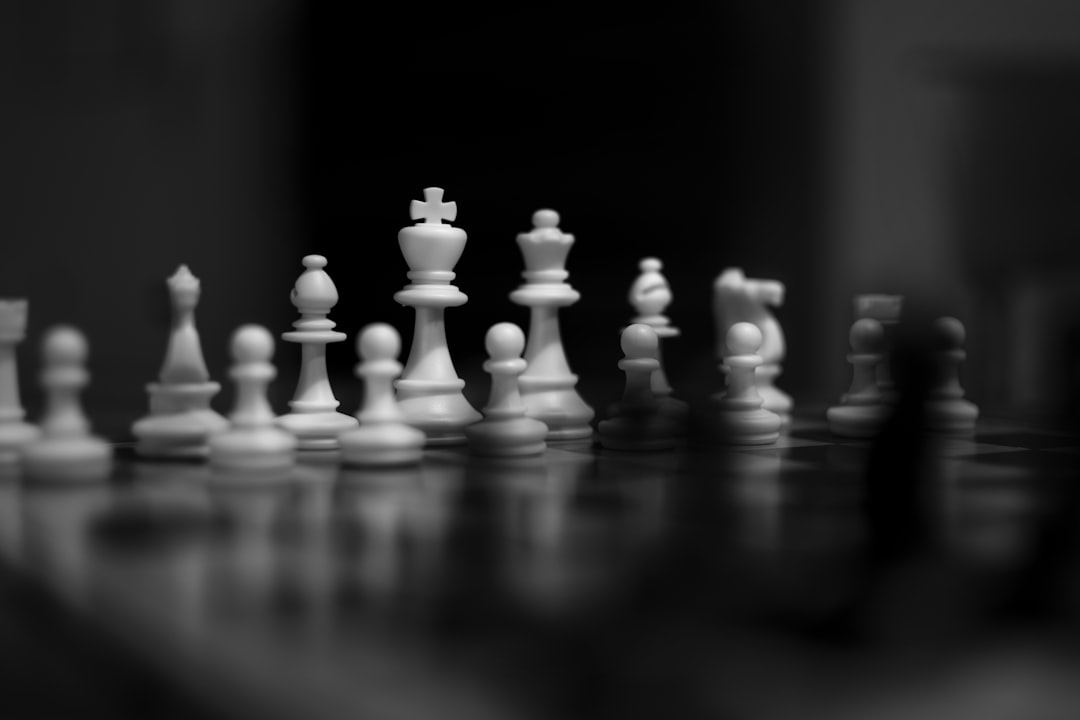
Zugzwang is a chess situation in which the player whose turn it is to move is forced to make a move that worsens their own position — and would clearly prefer to pass.
The word comes from German: Zug (move) and Zwang (compulsion). The core idea is that the obligation to move is itself a disadvantage. In a zugzwang position, every available move makes the player’s situation worse: they surrender a key square, open a fatal line, or lose a defensive pawn. Without that obligation, the position would often be a draw or at least holdable.
Zugzwang occurs most often in endgames, particularly king-and-pawn endings where the two kings face each other. If both kings are in direct opposition and it is one side’s turn to move, that player is forced to step aside — potentially deciding the outcome of the game.
In practice, learn to spot positions where your opponent has no useful move. If you can "waste a move" with a quiet manoeuvre (sometimes called a waiting move), you may be able to put your opponent in zugzwang. In king-and-pawn endgames, the concept of opposition is directly tied to zugzwang.