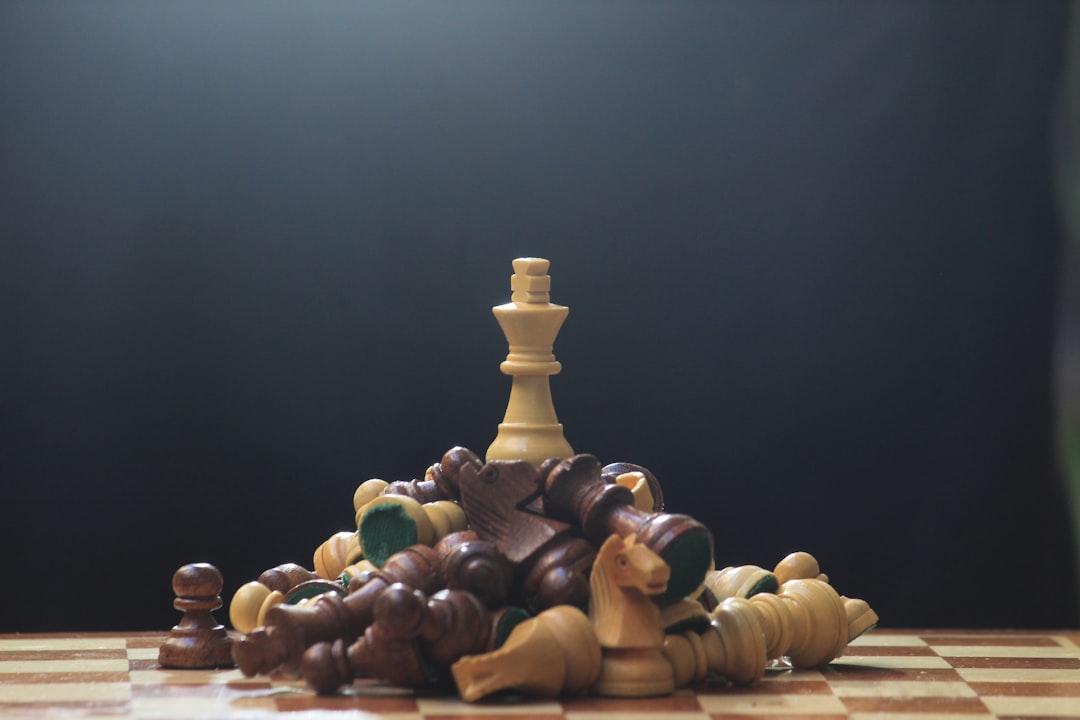
A draw in chess is a result in which neither player wins: the game ends in a tie, and both players score 0.5 points in tournament play.
A draw can occur in several ways. The most common is a draw by agreement: both players mutually decide to end the game. Other drawing methods include threefold repetition (the same position — including the same side to move, the same castling rights, and the same en passant possibilities — occurs three times during the game), the fifty-move rule (fifty consecutive moves without a capture or pawn move), stalemate (the player to move has no legal moves but is not in check), and insufficient material (for example, king vs. king, or king and bishop vs. king alone).
In practice, knowing when and how to claim or avoid a draw is a key skill. A player in a worse position can actively seek stalemate or repetition to save half a point, while the player with the advantage must be alert to these resources. Recognising drawn endings — such as fortresses or material imbalances that cannot force checkmate — prevents costly mistakes in the endgame.