ChessPivot
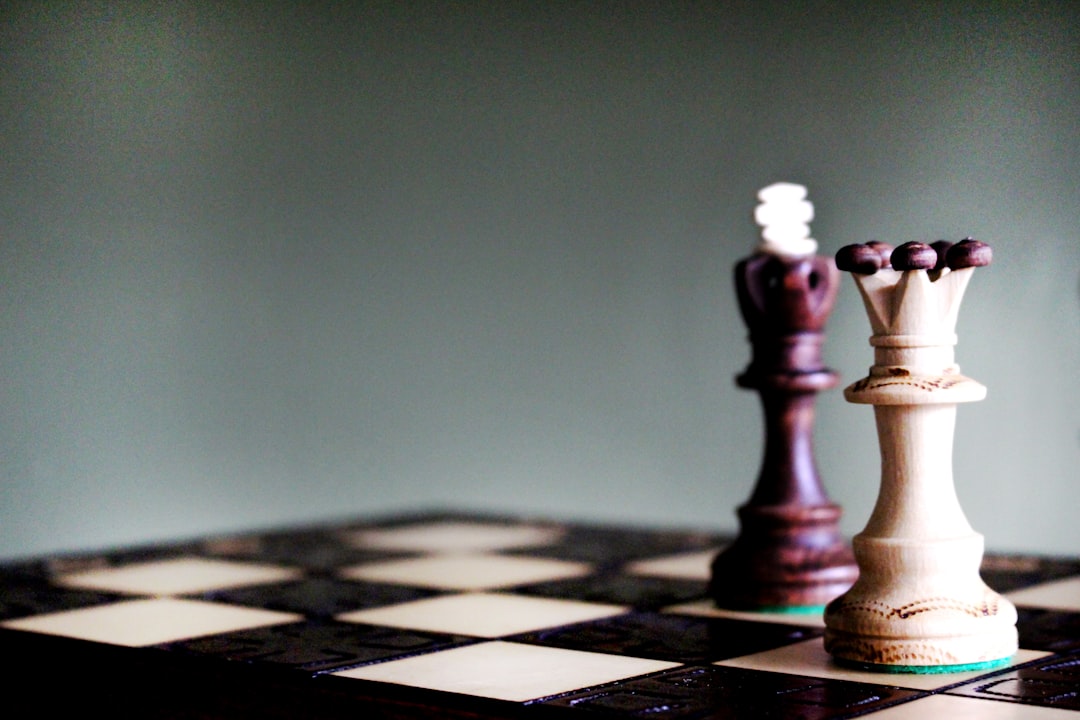
Queen and king chess pieces on board

King and pawn vs king

Endgame

Photo : Shirly Niv Marton
Endgame

The king and pawn vs king endgame is one of the most fundamental endings in chess: one side has a king and a single pawn against a lone king. The outcome — win or draw — depends entirely on the relative positions of the two kings and the file the pawn is on.

The central concept is opposition: two kings are "in opposition" when they face each other with exactly one square between them on the same file or rank, and it is the side not having the move that holds it. The side with the pawn typically needs to seize the opposition to escort its pawn to the eighth rank and promote. The rule of the square lets you quickly determine whether the defending king can catch the pawn: mentally draw a square with one side running from the pawn to the promotion rank; if the opposing king is inside that square (or can step into it on its turn), it catches the pawn.

One critical exception: when the pawn is a rook pawn (a- or h-file), the endgame is a theoretical draw if the defending king manages to reach the corner, as the attacking king cannot dislodge it without causing stalemate.

In practice, before simplifying into this endgame, always check three things: is the opposing king outside the pawn’s square (and unable to enter it)? Can your king seize the opposition? Is your pawn a rook pawn that risks ending in a draw? These three questions should guide your decision on whether to trade into this ending.

How to exploit it — and defend against it

To win, place your king in front of your pawn — ideally two squares ahead — and aim to gain the opposition against the enemy king. Once your king leads with the opposition, advance the pawn to force the opponent’s king back. Beware of rook pawns: if the defending king reaches the corner (a8, h8, a1, or h1), a draw by stalemate becomes unavoidable. To defend, rush your king toward the promotion square as soon as possible and aim to occupy the square directly in front of the pawn to deny your opponent the key opposition.

8
7
6
5
4
3
2
a1
b
c
d
e
f
g
h
White holds the opposition with the king in front of the pawn: 1.e6 forces the black king to give way, leading to promotion.

Related terms

Frequently asked questions

How do I know if I can win a king and pawn vs king endgame?
Use the rule of the square to check if the defending king can stop the pawn, then verify whether your king can achieve the opposition in front of the pawn. If the pawn is a rook pawn, the endgame is often a draw even with a material advantage.
What is opposition in a pawn endgame?
Opposition occurs when two kings face each other with exactly one square between them. The side without the move holds the opposition, forcing the other king to step aside — a decisive advantage when escorting a pawn to promotion.
Why does a rook pawn often lead to a draw?
With a pawn on the a- or h-file, if the defending king reaches the corner (a8 or h8), the attacking king cannot drive it out without causing stalemate. The position is therefore a theoretical draw regardless of how many moves are played.

Analyze your games for free

Spot your recurring mistakes and turn them into progress with ChessPivot.

Analyze my games