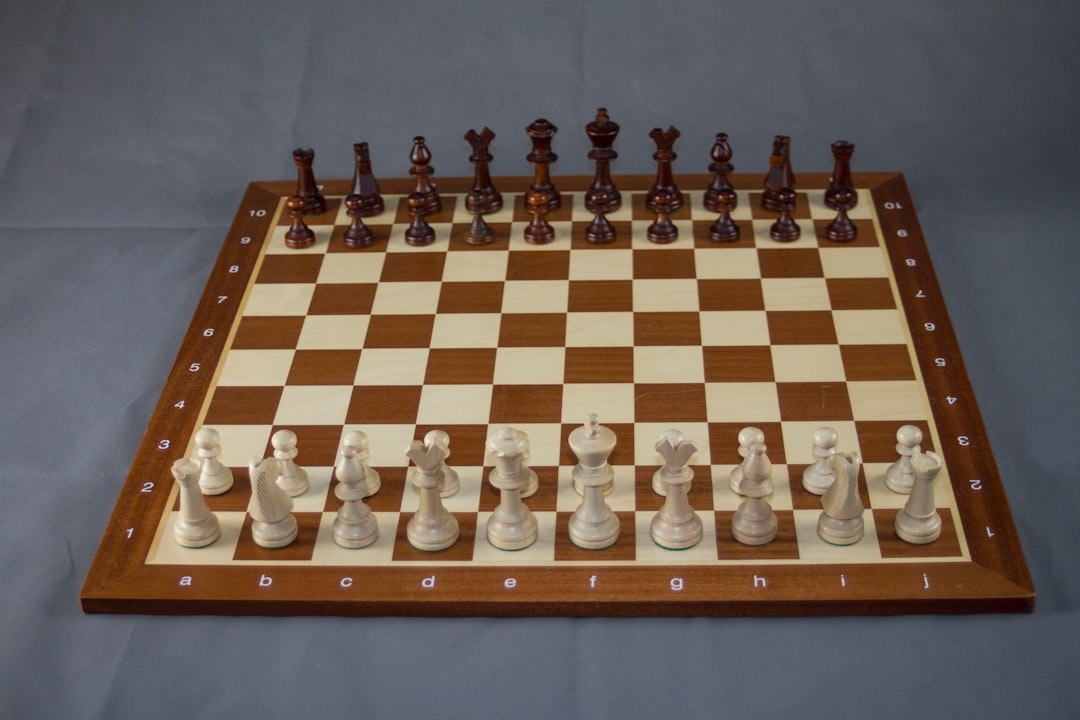
The promotion rule in chess states that any pawn reaching the opponent’s back rank — the 8th rank for White, the 1st rank for Black — must immediately be converted into another piece: a queen, rook, bishop, or knight.
Promotion is a fundamental rule that can completely change the outcome of a game. In the vast majority of cases, players promote to a queen, the most powerful piece on the board. However, underpromotion — promoting to a rook, bishop, or knight instead — is sometimes the correct choice. The most common reason is to avoid stalemate: promoting to a queen might leave the opponent with no legal moves, resulting in a draw, whereas a rook or knight promotion keeps the game going. A knight underpromotion can also deliver immediate checkmate in positions where a queen would not.
In practice, if you have a passed pawn — one that no enemy pawn can block or overtake, on its own file or the adjacent files — focus on escorting it with your king and clearing any pieces standing in its path. A pawn on the 7th rank is already a massive threat and often forces the opponent to sacrifice material just to stop it.