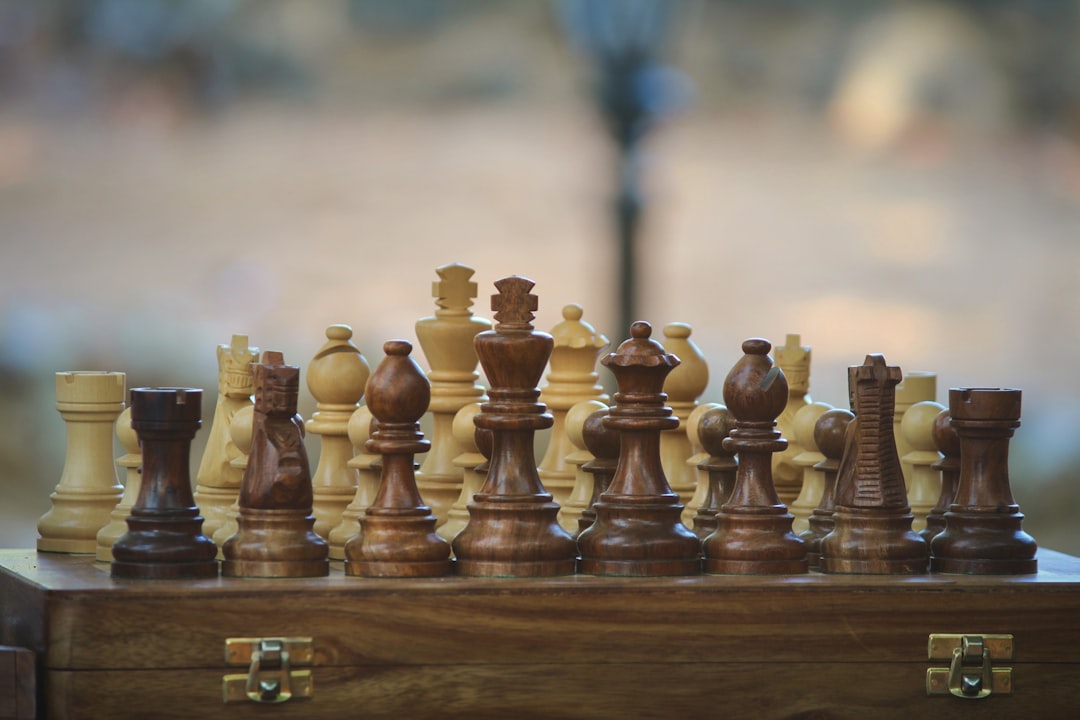
A blockade is a strategic technique that consists of placing a piece directly in front of an opponent’s pawn in order to immobilize it and halt its advance.
A blocked pawn loses its primary strength: forward movement. By occupying the square immediately in front of it, you strip the pawn of all mobility and lock the opponent’s pawn structure in place. The knight is the ideal piece for a blockade, since it does not lose effectiveness on a fixed central square and continues to control the surrounding area. The bishop, on the other hand, is poorly suited to blockading: once planted on the stopping square, it becomes passive and loses much of its scope.
In practice, blockades are most commonly applied against the opponent’s passed pawns — pawns that have no opposing pawn in front of them on the same file or on either adjacent file — but also against any advanced pawn that threatens to become dangerous. Spotting the opponent’s passed pawn early and routing a knight to blockade it is often the first defensive priority to consider.