ChessPivot
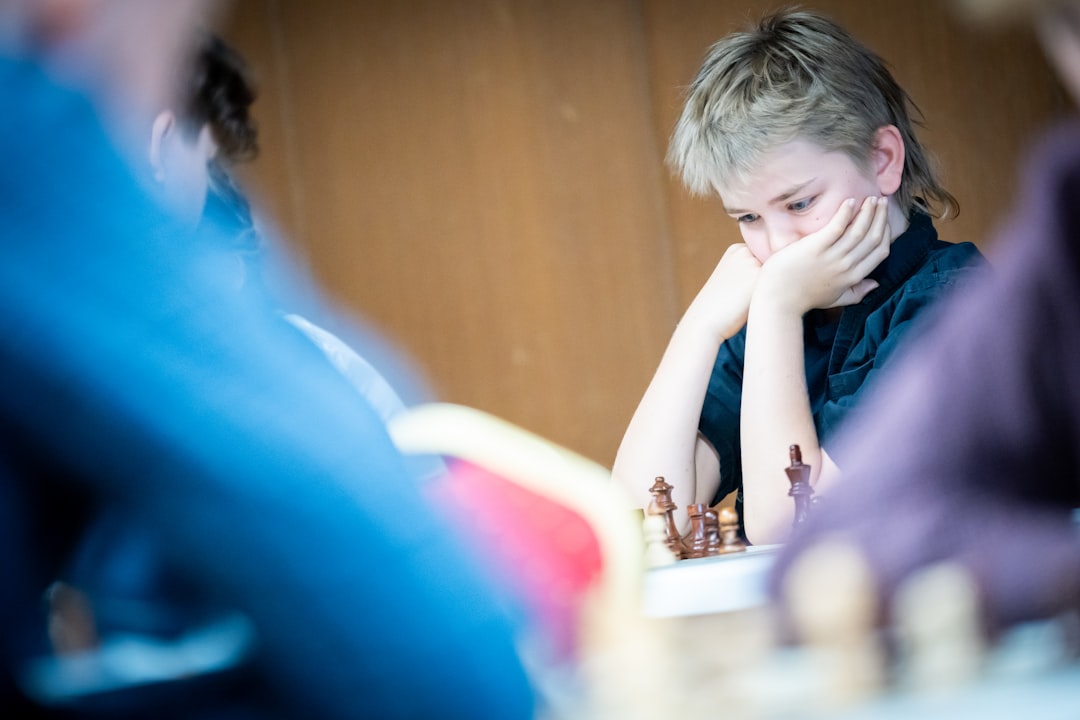
Young person concentrating while playing chess

Passive piece

Strategy

Photo : Michal Vrba
Strategy

A passive piece is a piece that occupies a square where it has limited mobility, controls few important squares, and contributes little to its side’s active play.

In practice, a passive piece is easy to spot: it is pushed to the edge or corner of the board, blocked by its own pawns, or forced to defend a weakness without being able to join the attack. A knight on a3 or h3, for instance, sits far from the center and struggles to reach any meaningful square. Similarly, a bishop trapped behind a pawn chain fixed on its own color becomes nearly useless — this is known as a bad bishop.

Identifying your own passive pieces is a key strategic habit. Before looking for an attacking plan, ask yourself: "Which of my pieces is doing the least?" Then find a way to reroute it to a more active or central square. This approach — often overlooked at the 800–1400 level — can breathe life into a stagnant position without taking on any material risk.

How to exploit it — and defend against it

To exploit your opponent’s passive piece, fix the pawn structure that keeps it paralyzed and open the game on the side where your own pieces are most active — your activity advantage will naturally translate into a concrete edge. Avoid exchanges that free the passive piece: trading your active pieces for passive ones is a strategic gift to your opponent. To protect yourself from your own passive pieces, plan their redeployment early — identify outpost squares and avoid fixing your pawns on the same color as your bishop. When one of your pieces becomes passive, act immediately with a rerouting maneuver rather than waiting for the situation to worsen.

8
7
6
5
4
3
2
a1
b
c
d
e
f
g
h
The bishop on f1 (red) is a passive piece, blocked by its own pawns with no open diagonal. The bishop on g7 (green) is an active piece controlling a long diagonal.

Related terms

Frequently asked questions

What is the difference between a passive piece and a pinned piece?
A pinned piece cannot move without exposing a more valuable piece behind it — it is a temporary tactical constraint. A passive piece, on the other hand, is simply poorly placed and has little influence on the game, regardless of any tactical consideration.
How do you reactivate a passive piece during a game?
Identify a more active square — ideally a central square or an outpost — then plan a multi-move route to get the piece there. Sometimes a tempo move or a pawn break is needed to open the path.
Can a passive piece become useful in the endgame?
Yes, particularly in closed endgames where overall mobility is reduced. However, a passive piece remains a liability in most endgames, especially those where rooks need open files to become effective.

Analyze your games for free

Spot your recurring mistakes and turn them into progress with ChessPivot.

Analyze my games