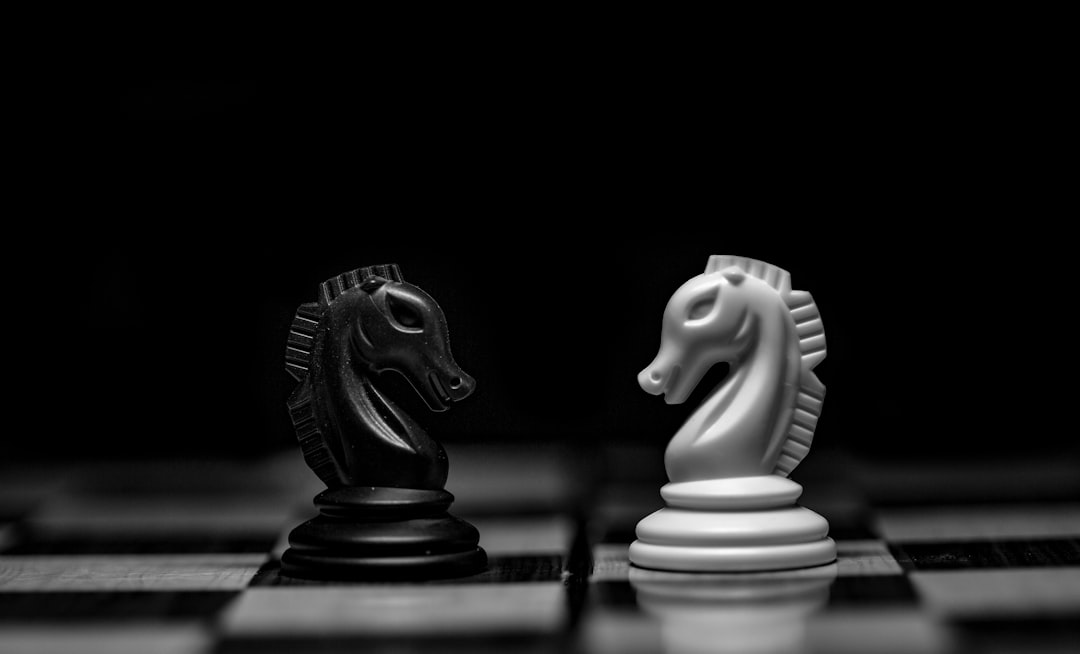
A material sacrifice in chess means deliberately giving up a piece or pawn — without immediate material compensation — in order to gain a concrete advantage: a decisive attack, the destruction of the opponent’s king shelter, a tempo gain, or lasting positional dominance.
Unlike a blunder, a sacrifice is fully intentional and calculated. For instance, giving up a bishop to tear open the files in front of the enemy king can be enough to force checkmate in just a few moves, even though you are temporarily down in material. The key idea is that the theoretical value of pieces (rook = 5 points, bishop = 3 points, etc.) becomes secondary to a concrete reality: an unstoppable attack is often worth more than any piece on the board.
In practice, before committing to a material sacrifice, always check three things: what concrete advantage do you get (forced mate, lasting initiative, open file?); can your opponent simply decline the sacrifice and remain safely ahead in material; and have you calculated at least the two or three most natural responses your opponent can make? An uncalculated sacrifice is simply a mistake in disguise.