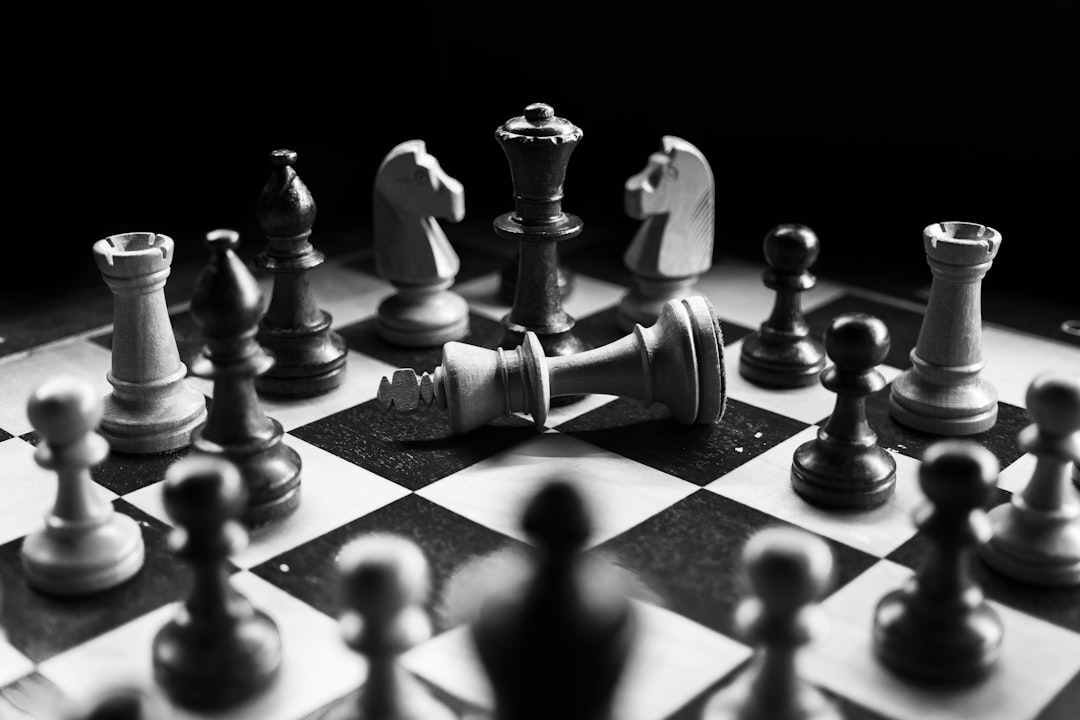
A tactical motif is a recurring piece configuration that allows a player to win material, gain a decisive advantage, or deliver checkmate through a calculated sequence of moves.
Tactical motifs are the fundamental building blocks of chess tactics. There are about ten major families: the fork (one piece attacks two targets simultaneously), the pin (a piece cannot move without exposing a more valuable piece behind it), the skewer (a high-value piece is forced to move, exposing the piece behind it), the discovered attack, the double check, attraction, deflection, overloading, interference, and the sacrifice. Each motif is based on a precise geometric idea tied to the position of the pieces on the board.
In practice, recognizing tactical motifs comes down to training: the more tactical puzzles a player solves, the faster they spot these patterns during a game. The goal is not to memorize solutions, but to develop an eye for unprotected pieces, exposed kings, or open lines that signal a motif may be available.