ChessPivot
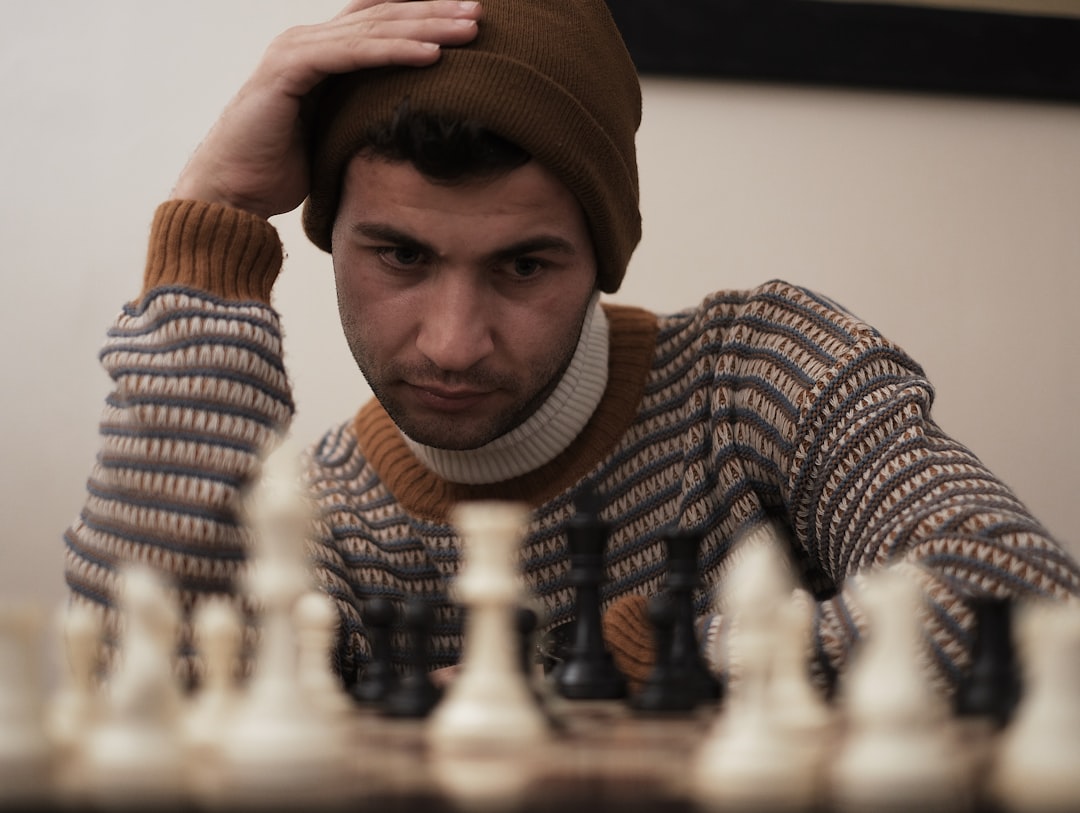
A man sitting at a table with a chess board

Attraction

Tactics

Photo : Hogir saeed
Tactics

Attraction in chess is a tactical motif that forces an opponent’s piece — most often the king or a major piece — to move to a disadvantageous square, where it becomes vulnerable to a decisive combination.

The idea relies on a sacrifice or an irresistible threat: you "lure" the enemy piece onto a specific square, then exploit its new position. For instance, offering a piece that must be captured can drag the opponent’s king or queen onto a square where a fork, checkmate, or skewer becomes available. The enemy is given an offer they cannot refuse — and then punished for accepting it.

In practice, look for attraction when the opponent’s king or a valuable piece is just one move away from an exposed square. Ask yourself: "If I sacrifice here, where does the enemy piece go, and what can I play next?" This two-step thinking is the key to spotting this motif over the board.

How to exploit it — and defend against it

To exploit attraction, first identify the ideal square where you want to lure the enemy piece, then find the sacrifice or threat that forces it there. Always verify that your follow-up move is genuinely winning before committing. To guard against it, be wary of captures that seem too easy: always ask yourself why the opponent is offering you that piece. Calculating at least two moves ahead after the capture will help you avoid falling into the trap.

8
7
6
5
4
3
2
a1
b
c
d
e
f
g
h
The queen on d5 lures the black king to d8 with a sacrifice, setting up a checkmate or fork on the next move.

Learn more

Related terms

Frequently asked questions

What is the difference between attraction and deflection?
Attraction forces a piece to move to a specific square where it can be exploited, while deflection drives it away from a key square or defensive duty without necessarily luring it to a precise target. Both motifs can appear together in the same combination.
Does attraction always involve a sacrifice?
Not always, but a sacrifice is the most common way to make the move irresistible. Sometimes a sufficiently powerful threat can force the enemy piece to the desired square without giving up material.
How can I practice recognizing attraction?
Solve tactical puzzles tagged with this theme on online training platforms. Practice asking yourself: 'Which square do I want the enemy piece to land on?' before searching for the move.

Analyze your games for free

Spot your recurring mistakes and turn them into progress with ChessPivot.

Analyze my games