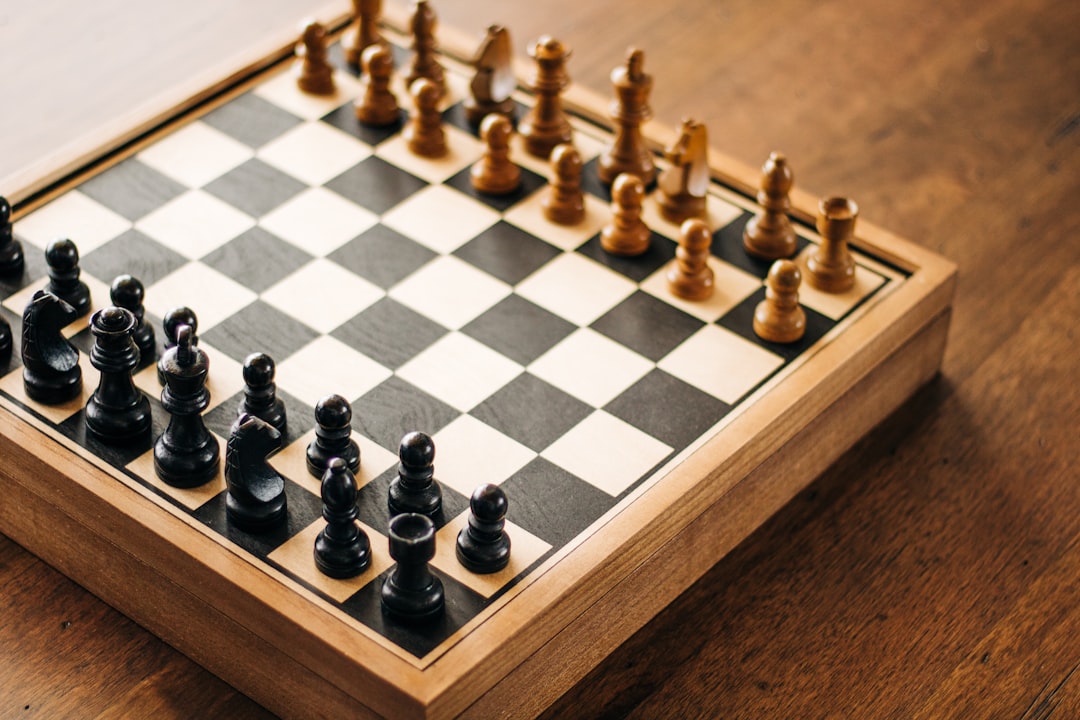
Compensation in chess refers to the set of non-material advantages — initiative, piece activity, centre control, pawn structure — that offset a deficit in material or another type of imbalance.
When a player sacrifices a pawn or even a piece, the position is not necessarily lost: if in return they gain rapid development, lasting pressure against the opponent’s king, or superior mobility, that player is said to have compensation. The concept is therefore closely tied to position evaluation — is what you receive worth what you give up, even when the gains are of a different nature?
In practice, learning to assess concrete imbalances is essential. If you give up a pawn in an opening (a gambit), ask yourself: do I have a two-move lead in development? Does my opponent have a lasting structural weakness? If the answer is yes, the compensation is real. At the 800–1400 ELO level, a common mistake is to hold on to a pawn passively rather than accepting dynamic compensation that keeps the initiative.