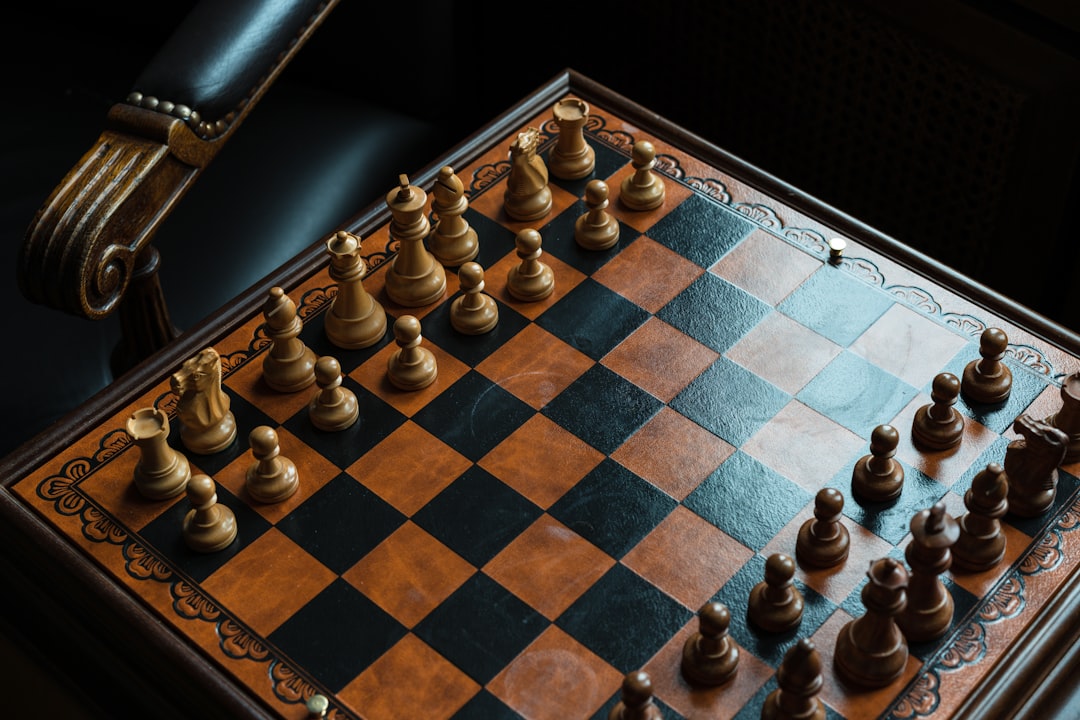
A gambit is an opening in which a player voluntarily sacrifices a pawn — or sometimes a piece — in the very first moves of the game, in exchange for compensation such as a lead in development, central control, or initiative.
The word "gambit" comes from the Italian gambetto, meaning a tripping move. The idea is to lure the opponent into taking material while gaining a concrete positional or dynamic advantage in return. For example, in the King's Gambit (1. e4 e5 2. f4), White offers the f4-pawn to open lines and launch a fast attack against Black’s king.
In practice, accepting a gambit is not always the best answer. When your opponent offers you a pawn, ask yourself: what are they getting in return? If you can see that they will speed up their development or open lines toward your king, it may be wiser to decline the gambit and play solid, careful chess instead.
Frequently asked questions
- Should you always accept a gambit?
- No. Accepting a gambit gives you material, but often exposes your king or costs you development time. Declining the gambit and playing solid chess is equally valid, especially if you are unfamiliar with the resulting positions.
- What is the difference between a gambit and a sacrifice?
- A gambit is a sacrifice made specifically in the opening, usually of a pawn, with a clear strategic goal. A sacrifice can occur at any stage of the game and can involve any piece.
- How do you know if a gambit is sound?
- A gambit is considered sound if the compensation gained — development, central control, initiative — is sufficient to offset the sacrificed material. In practice, knowing the theory and analyzing the typical continuations helps assess its reliability.
Analyze your games for free
Spot your recurring mistakes and turn them into progress with ChessPivot.
Analyze my games