ChessPivot
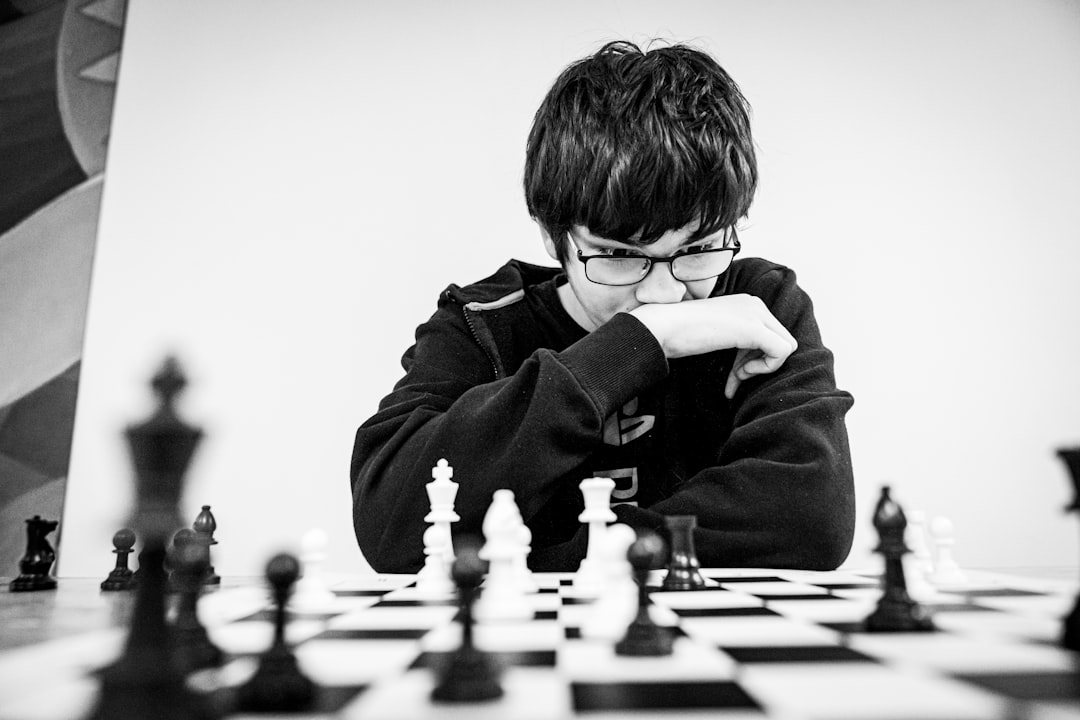
A young boy sitting at a chess board

Skewer

Tactics

Photo : Michal Vrba
Tactics

A skewer in chess is a tactical device in which an attacking piece targets a high-value enemy piece, forcing it to move out of the line of attack — and exposing a less valuable piece behind it, which can then be captured.

A skewer is essentially the reverse of a pin: instead of immobilizing a piece because it shields something important behind it, the skewer forces the more valuable piece to flee, abandoning whatever stood in its shadow. A classic example: a rook delivers check to a king that stands in front of an enemy queen on the same file — the king must move, and the rook captures the queen for free.

In practice, skewers are carried out by long-range pieces — the queen, rook, and bishop. Train yourself to spot alignments where a king or queen stands in front of a less valuable piece along the same rank, file, or diagonal. Those are the positions where a skewer becomes possible.

How to exploit it — and defend against it

To execute a skewer, look for alignments along a rank, file, or diagonal where a high-value enemy piece (typically the king or queen) stands in front of a weaker one. Force the front piece to move with a check or direct attack, then capture the exposed piece behind it. To defend against skewers, avoid leaving your king or queen lined up with other valuable pieces along open lines facing an enemy rook, queen, or bishop. Anticipate these dangerous alignments during the middlegame and endgame.

Your turn to play

Find the best move in this real position.

8
7
6
5
4
3
2
a1
b
c
d
e
f
g
h

Real examples

Positions drawn from real games (anonymised) where this motif occurred.

8
7
6
5
4
3
2
a1
b
c
d
e
f
g
h

Skewer: Bf4 attacks the queen on c7; once it moves, a knight on b8 falls. Line: Bf4 Qb6 Bxb8 Rxb8.

8
7
6
5
4
3
2
a1
b
c
d
e
f
g
h

Skewer: Bd7 attacks a rook on e6; once it moves, a bishop on g4 falls. Line: Bd7 Nf3+ Kg2 Nd4.

Learn more

Related terms

Frequently asked questions

What is the difference between a skewer and a pin?
In a pin, the attacked piece cannot move because it shields a more valuable piece behind it. In a skewer, it is the opposite: the more valuable piece is in front and must move, exposing the weaker piece behind it.
Which pieces can perform a skewer?
Only long-range pieces can perform a skewer: the queen, rook, and bishop. The knight, which does not move in a straight line, cannot execute this tactical pattern.
Is a skewer more common in the endgame?
Yes, skewers are especially frequent in the endgame, as the king becomes more active but remains vulnerable to long-range attacks. It is often forced to move under a skewer check, allowing the capture of a passed pawn or rook.

Analyze your games for free

Spot your recurring mistakes and turn them into progress with ChessPivot.

Analyze my games