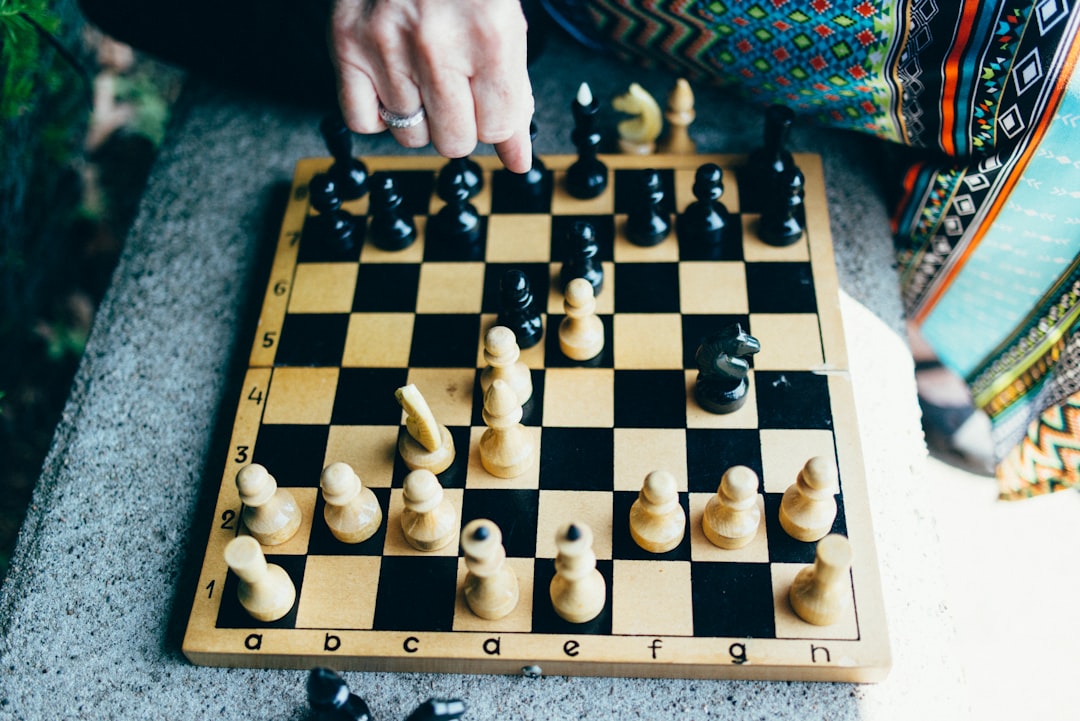
Time control in chess refers to the amount of time each player is given to make their moves during a game, as tracked by a chess clock. Each player’s clock counts down independently, and a player who runs out of time loses the game (unless the opponent has insufficient material to deliver checkmate).
There are several time control formats: classical games typically grant 90 minutes or more per player, allowing deep calculation. Rapid games usually run between 10 and 30 minutes, while blitz games give each player 3 to 5 minutes, and bullet games under 3 minutes. Many time controls also include an increment — a set number of seconds added to the clock after each move (for example, "10 minutes + 5 seconds per move").
In practice, choosing the right time control for your level matters a great deal. Players in the 800–1400 ELO range benefit most from classical or rapid games, which provide enough time to think through plans and avoid blunders. While blitz and bullet are entertaining, they tend to reinforce imprecise habits when foundational skills are not yet well established.