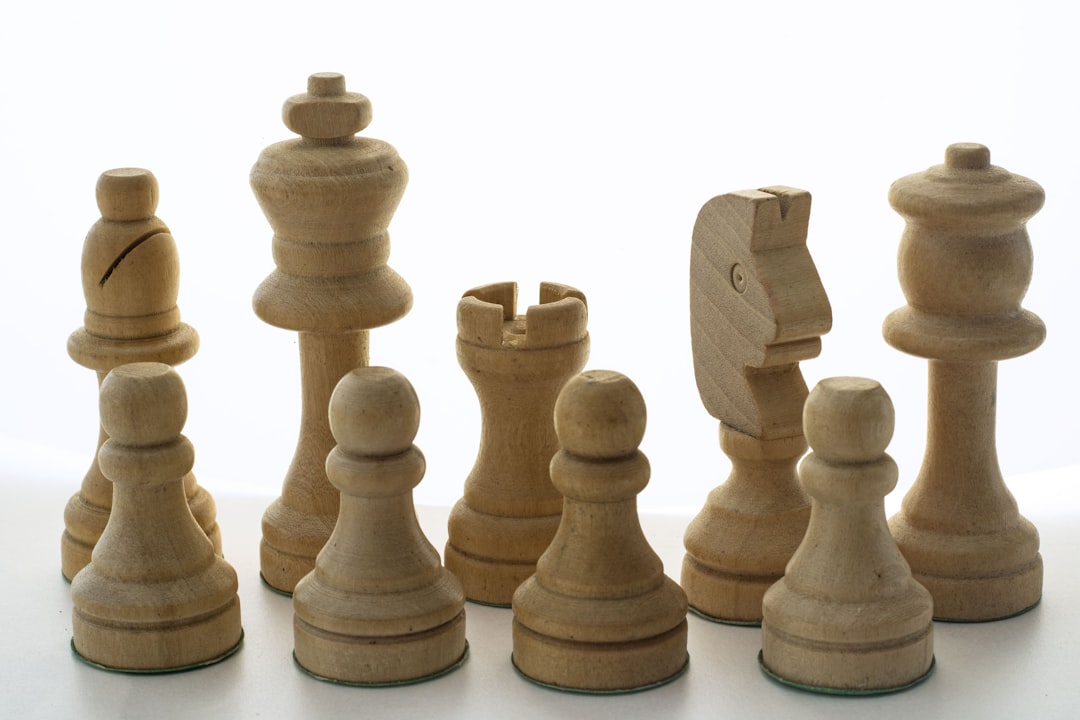
Classical time control in chess refers to a format where each player has a long thinking time — typically 90 minutes or more for the entire game, often supplemented by an increment added after each move. It is the official format used in serious over-the-board competitions, tournaments, and FIDE-recognised championships.
Unlike faster formats such as rapid, blitz, or bullet, classical chess gives players the time to calculate deeply, build long-term plans, and assess subtle positional factors. A classical game can last several hours. FIDE's standard classical time control is 90 minutes plus a 30-second increment per move for tournament play.
In practice, playing classical games is one of the most effective ways to improve at chess. The extended thinking time allows players to catch their own mistakes in real time, develop calculation discipline, and build sound thinking habits — skills that carry over directly into faster time controls.